Double Tail Betta Care Guide – Tank Setup, Feeding and Breeding
Quick summary
Double Tail Bettas are a striking but genetically compromised betta variant, prone to spinal deformities and swim bladder issues due to their shortened bodies, so they suit keepers with some betta experience who can maintain stable water conditions and careful feeding routines. They’re not ideal for total beginners, but with attentive care in a well set up 20+ litre tank, they can live a comfortable, healthy life.
🐠 Build a tank around this fish
In this guide:
- Introduction
- Quick Stats
- Appearance
- Varieties and Morphs
- Natural Habitat
- Tank Size and Setup
- Water Parameters
- Filtration and Equipment
- Diet and Feeding
- Behaviour and Temperament
- Tank Mates
- Breeding
- Common Diseases
- FAQs
Introduction
The Double Tail Betta is one of the most visually striking tail-type variants of the domestic Betta splendens. Where most bettas sport a single caudal fin, the Double Tail carries a genetic mutation that splits the caudal peduncle, producing two distinct lobes that fan out symmetrically above and below the body’s midline. Complementing this is an oversized dorsal fin – often nearly as large as the caudal itself – which gives the fish a dramatic, almost mirror-image silhouette when viewed from the side. The result is a fish that appears to have two full tails, a trait that has made it a favourite among breeders and hobbyists alike.
As a variant of Betta splendens, the Double Tail shares the vast majority of its care requirements with any other domestic betta. If you are new to keeping bettas or want a thorough grounding in baseline husbandry – water quality, cycling, general health, and day-to-day maintenance – our comprehensive Betta Fish Care Guide covers all of those fundamentals in detail. This guide is written specifically to address the ways in which the Double Tail differs from the standard betta: its unique anatomy, the genuine health vulnerabilities that anatomy creates, breeding considerations tied to the double tail gene, and the practical adjustments you should make to give this particular variant the best possible quality of life.
It is worth being upfront about those health considerations from the outset. The double tail trait is not purely cosmetic. The gene responsible for the split caudal also shortens the body, compresses the vertebral column, and alters the swim bladder’s relationship with the surrounding musculature. This makes Double Tail Bettas genuinely more prone to spinal deformities and swim bladder disorders than their single-tail counterparts. None of this means a Double Tail cannot live a long and comfortable life – it absolutely can, with attentive care – but it does mean that keepers should understand the trade-offs involved and manage tank conditions accordingly.
Quick Stats
| Scientific name | Betta splendens var. Double Tail |
| Common names | Double Tail Betta, DT Betta, Twin Tail Betta, Double Tail Halfmoon Betta (when combined with halfmoon spread), DTM |
| Family | Osphronemidae |
| Origin | Captive-bred variant; ancestral wild stock from Southeast Asia (Thailand, Cambodia, Laos, Vietnam) |
| Adult size | 5-7 cm (body length, excluding finnage) |
| Lifespan | 2-4 years |
| Difficulty | Moderate |
| Breeding difficulty | Moderate |
| Temperature | 24-28 °C |
| pH range | 6.0-7.5 |
| General hardness (GH) | 3-12 dGH |
| Carbonate hardness (KH) | 2-8 dKH |
| Minimum tank size | 20 litres |
| Conservation status | Not Evaluated (domestic variant; wild Betta splendens is Vulnerable on the IUCN Red List) |
Appearance
The defining feature of the Double Tail Betta is, of course, the caudal fin. Rather than emerging as a single fan from the caudal peduncle, the tail is split into two separate, fully formed lobes. In a high-quality specimen, these two lobes are symmetrical in size and shape, separated by a clean gap, and each lobe displays a full, rounded spread. When flared, the overall impression is of a fish with two distinct tails stacked vertically – one above the body line and one below.
Equally important to the Double Tail’s visual identity is the dorsal fin. The double tail gene dramatically increases the number of dorsal fin rays, often doubling them compared to a standard betta. This produces a dorsal fin that is significantly wider and longer than normal, frequently approaching the size and shape of the caudal lobes themselves. In the best specimens, the dorsal fin visually echoes the upper caudal lobe, creating a continuous, flowing silhouette along the top of the fish.
The body itself is noticeably shorter and more compact than that of a single-tail betta. This is a direct consequence of the genetics involved: the double tail gene reduces the number of vertebrae, compressing the spine. While this contributes to the distinctive stocky appearance that many keepers find appealing, it is also the root cause of several health issues discussed later in this guide. The shortened body means internal organs sit in a more cramped arrangement, particularly the swim bladder.
Double Tail Bettas are available in the full spectrum of betta colours, including solid reds, blues, blacks, whites, cellophane, metallic, and multi-coloured patterns such as marble, koi, galaxy, and butterfly. The double tail trait can also be combined with other fin types – most notably the Halfmoon, producing the Double Tail Halfmoon (DTHM), where each caudal lobe achieves a 180-degree spread. Double Tail Plakats (short-finned Double Tails) also exist and tend to be somewhat sturdier swimmers due to the reduced fin mass.
When selecting a Double Tail Betta, look carefully at the gap between the two caudal lobes. In well-bred fish, this gap should be clean and the lobes should be roughly equal in size. Uneven lobes or a partially fused split can indicate lower-quality breeding stock. Also examine the spine from above – a gentle S-curve or noticeable kink may indicate spinal deformity, which is more common in this variant than in others.
Varieties and Morphs
Because the double tail trait is a fin-type gene rather than a colour gene, it can be – and has been – combined with virtually every colour and pattern morph available in domestic bettas. The most commonly encountered combinations include the following.
The Double Tail Halfmoon (DTHM) is arguably the most sought-after combination. Each of the two caudal lobes achieves a full 180-degree spread when flared, and the enlarged dorsal fin completes an almost circular profile around the rear half of the fish. These are show-quality fish when well bred, though the extreme finnage makes them slower swimmers and more susceptible to fin damage.
The Double Tail Plakat (DTPK) pairs the split caudal with short, spade-shaped fins. This combination retains the distinctive double-tail silhouette while significantly reducing the fin drag that long-finned variants struggle with. Double Tail Plakats tend to be more active, more agile, and somewhat less prone to fin rot and fin biting than their long-finned counterparts. For keepers who prioritise the fish’s comfort and mobility, this is often the recommended choice.
The Double Tail Delta features caudal lobes with a spread of less than 180 degrees, creating a more triangular tail shape. These are less dramatically impressive than the DTHM but often more readily available and slightly more affordable.
Colour-wise, Double Tails appear in solid colours (royal blue, steel blue, red, black orchid, white opaque), bi-colours, butterfly patterns (where colour is concentrated at the base of the fins with clear or white edges), marble patterns (irregular blotching that can change over time), and metallic or dragon-scale finishes where the body is coated in thick, iridescent scales. The double tail trait does not influence colour genetics, so any colour combination possible in bettas is theoretically achievable in a Double Tail.
It is worth noting that the double tail gene is recessive. A fish can carry a single copy of the gene (heterozygous) without displaying the split tail itself, but these carriers – often called “DT geno” fish – frequently show an enlarged dorsal fin compared to fish with no DT gene at all. Breeders sometimes deliberately cross DT-gene carriers with single-tail fish to produce offspring with improved dorsal fin width without the health risks associated with the full double tail phenotype.
Natural Habitat
The Double Tail Betta does not exist in the wild. It is an entirely captive-bred variant, the product of selective breeding that has isolated and amplified a naturally occurring genetic mutation. However, understanding the ancestral habitat of wild Betta splendens remains relevant, because the species’ physiological adaptations – its labyrinth organ, its preference for warm, still water, its territorial behaviour – are unchanged regardless of fin type.
Wild Betta splendens are native to the river basins and floodplains of mainland Southeast Asia, primarily Thailand (formerly Siam, which gave rise to the common name “Siamese Fighting Fish”), Cambodia, Laos, and Vietnam. They inhabit shallow, slow-moving or standing bodies of water: rice paddies, drainage ditches, marshes, ponds, and the margins of streams. These environments are typically warm (25-30 °C in the tropics), slightly acidic to neutral, soft to moderately hard, and heavily vegetated with floating and emergent plants.
Crucially, many of these habitats are low in dissolved oxygen. Wild bettas evolved the labyrinth organ – a specialised respiratory structure that allows them to breathe atmospheric air directly from the water’s surface – precisely because their natural environment often cannot sustain adequate oxygen levels through dissolved gas alone. This adaptation is fully retained in all domestic bettas, including Double Tails, and has practical implications for tank setup: access to the water surface must never be blocked, and overly strong surface agitation is unnecessary and potentially stressful.
The still-water preference of wild bettas is particularly relevant for Double Tails. With their heavy, split finnage and shortened bodies, Double Tail Bettas are less hydrodynamically efficient than wild-type fish. Strong current in the aquarium can exhaust them more quickly than it would a plakat or wild-type betta, and this is a genuine husbandry concern that should inform equipment choices.
Tank Size and Setup
A minimum tank volume of 20 litres is recommended for a single Double Tail Betta. While this matches the baseline recommendation for any betta, there is an argument for going slightly larger – 30 to 40 litres – specifically because the Double Tail’s reduced swimming efficiency means it benefits from more open space to navigate without constantly fighting against its own finnage. A longer, shallower tank is preferable to a tall, narrow one; Double Tails need easy access to the surface to breathe and should not have to swim far vertically to reach it.
Tank depth is a consideration that matters more for Double Tails than for most other betta variants. A water depth of 20 to 25 cm is ideal. In tanks deeper than 30 cm, you may observe the fish struggling or resting more frequently on the substrate, particularly if it is a long-finned variety. If you are using a standard-height aquarium, reducing the water level slightly can make a meaningful difference to the fish’s comfort.
Decor should prioritise smooth surfaces throughout. The double tail’s enlarged finnage is exceptionally prone to snagging and tearing on rough or sharp objects. Avoid plastic plants with stiff, pointed leaves; sharp-edged resin ornaments; and rough-textured rocks like lava rock. Opt instead for smooth driftwood, rounded river stones, and live or silk plants. Anubias, Java Fern, Java Moss, and floating plants such as Salvinia or Amazon Frogbit all work well and carry no risk of fin damage.
Provide gentle hiding spots – a coconut cave, a smooth ceramic tube, or dense plant cover – so the fish can retreat when it wants to. Double Tails can become stressed if they feel constantly exposed, and a stressed betta is a betta at higher risk of illness. However, do not overcrowd the tank with decor to the point that swimming space is compromised. A balance between open water and shelter is key.
A tight-fitting lid is essential. All bettas are capable jumpers, and the labyrinth organ demands access to humid air above the water surface. A lid maintains this humid air layer, preventing damage to the labyrinth organ from cold, dry air, while also preventing escape.
Water Parameters
| Temperature | 24-28 °C |
| pH | 6.0-7.5 |
| General hardness (GH) | 3-12 dGH |
| Carbonate hardness (KH) | 2-8 dKH |
| Ammonia | 0 ppm |
| Nitrite | 0 ppm |
| Nitrate | Below 20 ppm |
The water parameter ranges for Double Tail Bettas are the same as for any domestic Betta splendens. However, the emphasis on stability is arguably even more important with this variant. Because Double Tails are already predisposed to swim bladder dysfunction, fluctuations in temperature – which directly affect metabolic rate and gas exchange within the swim bladder – can trigger or worsen swim bladder episodes more readily than in single-tail bettas.
Temperature stability is critical. Use a reliable, adjustable heater with a thermostat, and position it near the filter outflow (if you have one) to ensure even heat distribution. Aim for a consistent 25-26 °C as a sweet spot. Rapid swings of more than 2 °C in either direction within a short period can be enough to provoke swim bladder problems in susceptible individuals.
Keep nitrate levels as low as practically possible – ideally below 20 ppm, and lower still if you can manage it through regular water changes and live plants. Elevated nitrates contribute to chronic stress and can weaken the immune system over time, making the fish more vulnerable to bacterial infections and fin rot. Weekly water changes of 20-30% are a sensible routine for most setups.
Indian almond leaves (Terminalia catappa) or other tannin sources can be beneficial. The mild acidification and antibacterial properties of the released tannins create water conditions that more closely resemble the fish’s ancestral environment and may offer a degree of protection against fin rot, which is a persistent concern with any heavy-finned betta.
Filtration and Equipment
Filtration is non-negotiable, but the type of filter matters more for a Double Tail than for many other fish. The current produced by the filter must be gentle. Double Tail Bettas, with their split caudal and oversized dorsal, face significantly more drag in the water than a plakat or even a standard veiltail. A strong current will exhaust them, stress them, and can contribute to fin damage as the fish is buffeted against decor or the glass.
Sponge filters are the gold standard for Double Tail Betta tanks. They provide effective biological and mechanical filtration with minimal water movement. An air-driven sponge filter paired with a small, adjustable air pump gives you precise control over flow rate. If you prefer a hang-on-back (HOB) filter or a small internal filter, look for models with an adjustable flow rate and reduce it to the lowest effective setting. You can also baffle the outflow using a piece of filter sponge, a pre-filter sponge attachment, or even a simple strip of plastic water bottle secured over the outflow to diffuse the current.
A reliable heater is the single most important piece of equipment after the filter. For tanks of 20 to 40 litres, a 25-watt or 50-watt adjustable heater is typically appropriate. Avoid preset heaters that lock to a single temperature, as these do not allow you to fine-tune conditions or make gentle adjustments if the fish shows signs of illness. Place the heater near the water flow to distribute heat evenly, and use a separate digital thermometer to verify the actual water temperature – do not rely solely on the heater’s built-in dial.
Lighting should be moderate. Double Tails do not have special lighting requirements, but excessively bright lights with no dimming period can cause stress. A simple LED light on a timer, providing 8 to 10 hours of light per day, is sufficient. If you keep live plants, choose a light rated for plant growth, but ensure there are shaded areas in the tank where the betta can retreat from direct illumination.
An air stone is not strictly necessary if you are using a sponge filter (which already provides gentle surface agitation), but can be added at a very low flow rate if desired. Avoid vigorous aeration; the goal is gentle surface movement to facilitate gas exchange without creating current.
Diet and Feeding
The dietary requirements of a Double Tail Betta are identical to those of any Betta splendens – they are carnivorous fish that thrive on a protein-rich diet. However, feeding practices deserve particular attention with this variant because of its susceptibility to swim bladder issues, which can be triggered or worsened by overfeeding, constipation, and bloating.
A high-quality betta pellet should form the staple diet. Choose pellets that list whole fish or insect meal as the first ingredient and avoid products heavy in fillers such as wheat or soy. Feed 2 to 4 pellets twice daily as a baseline, adjusting based on the individual fish’s size and condition. The fish’s stomach is roughly the size of its eye – a useful visual reference to prevent overfeeding.
Supplement pellets with frozen or live foods 2 to 3 times per week. Bloodworms, daphnia, brine shrimp, and mosquito larvae are all excellent choices. Daphnia is particularly valuable for Double Tails because it acts as a mild natural laxative, helping to prevent the constipation that can lead to swim bladder flare-ups. Offering daphnia once or twice a week as a preventive measure is a widely recommended practice among experienced betta keepers.
Implement a fasting day once per week. Skipping food for one day allows the digestive system to clear fully and reduces the risk of bloating. This is standard advice for all bettas but is especially worthwhile for Double Tails given their compressed body cavity and the close proximity of the digestive tract to the swim bladder.
Avoid freeze-dried foods unless they are pre-soaked in tank water for several minutes before feeding. Freeze-dried bloodworms and brine shrimp expand significantly when wet, and if consumed dry, they can cause abdominal swelling that puts pressure on the swim bladder. Given the Double Tail’s existing vulnerability in this area, the risk is simply not worth taking when frozen alternatives are readily available.
Observe the fish during feeding. A healthy Double Tail should be eager and responsive at feeding time. Persistent lack of appetite, spitting out food, or difficulty swimming to the surface to feed can all be early indicators of swim bladder problems or other illness and should prompt closer investigation.
Behaviour and Temperament
In terms of core temperament, Double Tail Bettas are no different from any other Betta splendens. Males are territorial and aggressive towards other males, and will flare, display, and fight if housed together. Females can be kept in carefully managed sorority setups, though this is a topic that generates considerable debate and is not recommended for beginners regardless of tail type. The Double Tail’s temperament is fully betta – curious, interactive with its keeper, and often full of personality.
Where behaviour does differ is in activity level and swimming style. Double Tail Bettas are, on average, less active swimmers than plakats or even veiltails. The heavy, split caudal and oversized dorsal create significant drag, and you will frequently observe a Double Tail resting on leaves, on the substrate, or on any flat surface in the tank. This is normal behaviour for the variant and should not in itself be cause for alarm. Providing broad-leaved plants or a betta hammock (a suction-cup leaf positioned near the surface) gives the fish a comfortable resting spot close to the air, reducing the effort required to reach the surface for labyrinth breathing.
However, it is important to distinguish between normal resting and lethargy caused by illness. A Double Tail that is consistently lying on the bottom, listing to one side, struggling to maintain a level position in the water, or showing clamped fins and dull colour is not simply resting – it is likely unwell. Because swim bladder dysfunction is common in this variant, keepers need to develop an eye for the difference between “resting because swimming is tiring” and “resting because something is wrong.”
Double Tails will flare at their own reflection, at other fish, and sometimes at objects outside the tank. Flaring in moderation is healthy exercise and displays the finnage beautifully. However, prolonged or constant flaring – often caused by persistent reflections on the glass, particularly in dimly lit rooms with bright tank lights – can cause chronic stress. If you notice your fish flaring at the glass for extended periods, adjust the lighting or add a background to reduce reflections.
Fin biting is a behavioural concern worth mentioning. Some bettas, particularly heavy-finned varieties, will bite their own tails out of stress, boredom, or frustration. Double Tails, with their large, cumbersome finnage, are among the variants that occasionally develop this habit. Ensuring adequate enrichment – varied decor, occasional rearrangement of the tank layout, floating objects to investigate, and consistent feeding routines – can help prevent this behaviour.
Tank Mates
Double Tail Bettas can be kept with carefully chosen tank mates, but their slower swimming speed and heavy finnage make them more vulnerable to fin nipping and competition for food than a more agile betta variant. Any tank mate must be peaceful, non-nippy, and unlikely to outcompete the betta at feeding time. The tank should also be large enough to provide adequate territory for all inhabitants – a 20-litre tank is suitable for a betta alone, but if you intend to add tank mates, consider 40 litres or more.
Good tank mates
- Pygmy Corydoras – Tiny, peaceful bottom-dwellers that occupy a completely different water column and pose no threat to betta fins.
- Amano Shrimp – Hardy, algae-eating shrimp large enough to avoid being eaten by most bettas, and too fast to be easily caught.
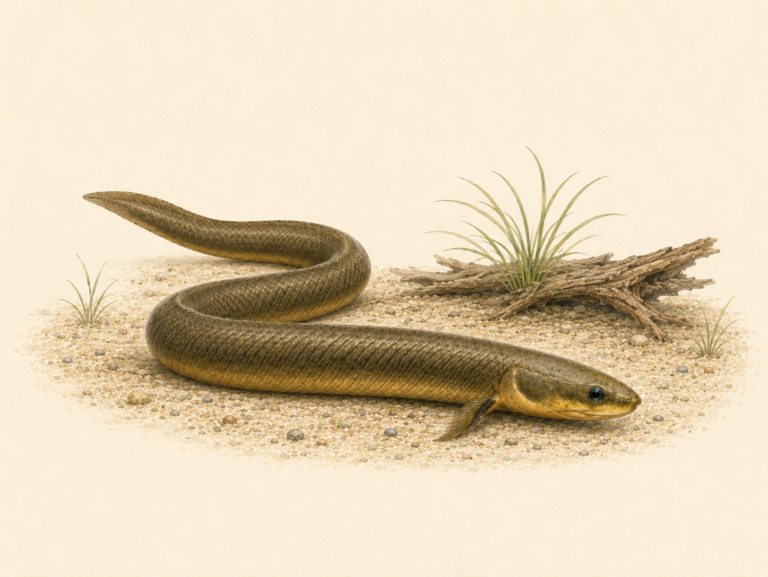
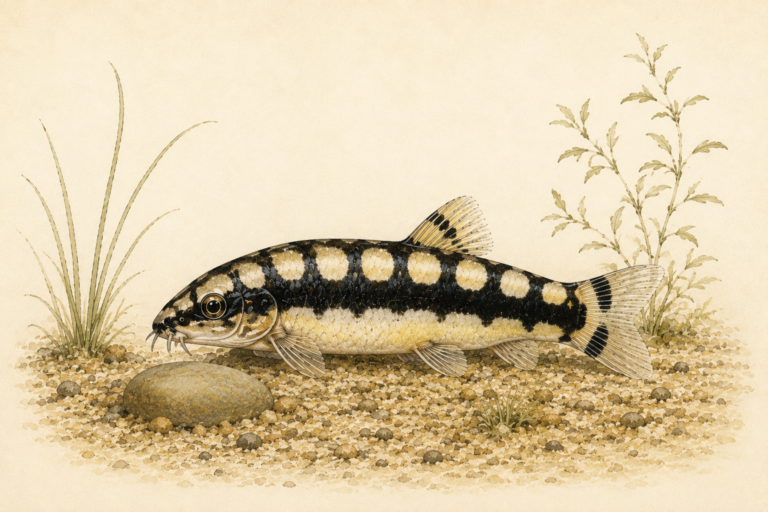
- Kuhli Loach – Nocturnal, eel-shaped bottom-dwellers that stay hidden during the day and rarely interact with surface-dwelling bettas.
- Ember Tetra – Small, peaceful, and lacking the bright colours or flowing fins that might provoke aggression from a betta.
- Malaysian Trumpet Snail – Burrowing snails that aerate the substrate and are generally ignored by bettas entirely.
- Ramshorn Snail – Hardy, low-maintenance snails that contribute to algae control and rarely attract betta attention.
- Celestial Pearl Danio – Peaceful, small-bodied micro fish that thrive in similar water parameters and tend to stay in the lower to mid-water column.
- Asian Stone Catfish – Extremely sedentary, well-camouflaged bottom-dwellers that are virtually invisible to bettas and pose zero competitive threat.
Fish to avoid
- Tiger Barb – Notorious fin nippers that will shred a Double Tail’s heavy, slow-moving finnage relentlessly.
- Serpae Tetra – Aggressive feeders and persistent fin nippers, especially in smaller groups, making them a serious threat to flowing betta fins.
- Chinese Algae Eater – Becomes territorial and aggressive as it matures and may latch onto the betta’s body or fins.
- Paradise Fish – A fellow anabantoid with strong territorial instincts that will clash directly with a betta for dominance.
- Dwarf Gourami – Another labyrinth fish that bettas frequently perceive as a rival, leading to persistent aggression from one or both parties.
- Buenos Aires Tetra – A boisterous, nippy tetra species that grows large enough to intimidate and harass a betta.
- Convict Cichlid – Far too aggressive and territorial for any betta, and will easily injure or kill a slow-swimming Double Tail.
- Red Tail Shark – Highly territorial bottom-dweller that becomes increasingly aggressive with age and will chase and stress tank mates.
Breeding
Breeding Double Tail Bettas is achievable for hobbyists with some betta breeding experience, but the genetics involved require careful consideration if you want to produce healthy offspring. The double tail trait is controlled by a recessive gene, which means both parents must carry at least one copy of the gene for any fry to display the phenotype. However, breeding two Double Tail fish together (DT x DT) is generally discouraged because it significantly increases the rate of spinal deformities, swim bladder malformations, and overall reduced viability in the fry.
The recommended approach is to cross a Double Tail with a single-tail fish that carries the DT gene (a “DT geno” fish). This produces a spawn where roughly half the fry will display the double tail phenotype and the other half will be single-tailed carriers. Crucially, the incidence of spinal deformity and other defects is substantially lower in these crosses than in DT x DT pairings. Identifying DT geno fish is not always straightforward, but they often exhibit a noticeably wider dorsal fin than non-carrier fish of the same tail type.
The breeding process itself follows the standard betta bubble nest protocol. Condition the pair separately for one to two weeks with high-protein foods. Introduce them in a breeding tank of approximately 20 to 40 litres with a shallow water depth of 12 to 15 cm, a gentle heater set to 27-28 °C, and floating material (such as Indian almond leaves or a polystyrene cup cut in half) to anchor the bubble nest. Allow the pair to see each other through a clear divider for 24 to 48 hours before releasing the female.
The male will build a bubble nest and, when ready, will display to the female with flared fins and intensified colour. Spawning involves the characteristic betta embrace, where the male wraps around the female and she releases eggs, which he fertilises and then carefully places into the bubble nest. A typical spawn can produce between 50 and 300 eggs, though Double Tail females sometimes produce smaller spawns due to their compressed body cavity.
Remove the female after spawning is complete. The male tends the nest, retrieving fallen eggs and guarding the developing embryos. Eggs hatch in approximately 24 to 48 hours, and the fry become free-swimming 2 to 3 days later. At this point, remove the male. Feed fry with infusoria or commercially available liquid fry food for the first few days, transitioning to freshly hatched brine shrimp nauplii as they grow.
Expect to cull or rehome a proportion of fry that display significant spinal curvature or other deformities. This is an unfortunate but honest reality of Double Tail breeding, and responsible breeders plan for it. Raising the fry in clean, warm water with frequent small water changes and high-quality food gives them the best chance of developing strong, healthy bodies.
Common Diseases
Double Tail Bettas are susceptible to all the same diseases as any Betta splendens, but two conditions deserve special emphasis due to the variant’s unique anatomy.
Swim bladder disorder (SBD) is the most significant health concern specific to Double Tail Bettas. The shortened body and compressed vertebral column mean the swim bladder has less room to function normally. Affected fish may float at the surface unable to dive, sink to the bottom unable to rise, list to one side, or swim at an abnormal angle. Causes include overfeeding, constipation, bacterial infection, temperature fluctuations, and – in some cases – congenital malformation of the swim bladder itself. Mild cases often respond to fasting for 2 to 3 days followed by feeding blanched, deshelled pea or daphnia to clear the digestive tract. Raising the water temperature slightly (to 27-28 °C) can also help. Persistent or recurring SBD may indicate a structural issue that cannot be fully resolved, in which case management focuses on keeping the fish comfortable – shallow water, easy access to the surface, and consistent conditions.
Spinal curvature is more common in Double Tails than in other betta variants. This can manifest as a visible S-curve or kink in the spine when the fish is viewed from above, or as a hunched appearance from the side. Mild spinal curvature may not significantly affect quality of life, but severe cases can impair swimming, feeding, and organ function. There is no treatment for structural spinal deformity – it is a genetic condition present from birth. When selecting a Double Tail, examine the fish carefully from above before purchase.
Fin rot is a common ailment in all long-finned bettas, and the Double Tail’s extensive finnage provides ample surface area for bacterial or fungal colonisation. Early signs include darkening or blackening of fin edges, ragged margins, and progressive fin loss. Caught early, fin rot responds well to clean water (increase water change frequency), Indian almond leaves, and aquarium salt at a concentration of 1 teaspoon per 20 litres. More advanced cases may require antibacterial medication such as a product containing methylene blue or kanamycin.
Velvet (Piscinoodinium) and ich (Ichthyophthirius multifiliis) are parasitic diseases that affect all bettas. Velvet appears as a fine, gold or rust-coloured dust on the body and fins, while ich presents as distinct white spots. Both are treated by raising the temperature gradually to 28-30 °C and administering appropriate medication. Velvet in particular can progress rapidly and is often fatal if not caught early, so any betta displaying clamped fins, lethargy, and a faint dusty sheen should be treated immediately.
Columnaris is a bacterial infection that can cause white or grey patches on the body, frayed fins, and mouth fungus-like lesions. It thrives in warm water and can be confused with true fungal infections. Treatment typically involves antibacterial medication and maintaining pristine water quality.
Preventive care is the best medicine. Consistent water parameters, regular water changes, a varied and appropriately portioned diet, and a stress-free environment will go a long way towards keeping a Double Tail Betta healthy throughout its life.
FAQs
Are Double Tail Bettas harder to keep than regular bettas?
Slightly, yes. The core care is the same, but Double Tails require more attention to feeding practices (to avoid