Kansu Loach Care Guide — Tank Setup, Feeding and Breeding
Introduction
The Kansu Loach, known scientifically as Sinibotia robusta, is a striking and characterful freshwater loach native to the river systems of central and eastern China. Sometimes referred to as the Chinese Golden Zebra Loach or simply the Robust Loach, this species has been gaining popularity among dedicated aquarists who appreciate its bold patterning, lively personality, and fascinating social behaviours. Although it remains far less well-known than its distant relatives in the Botia and Yasuhikotakia genera, the Kansu Loach rewards the attentive keeper with an engaging display of activity, particularly during twilight hours when the fish becomes most animated.
Belonging to the family Botiidae, Sinibotia robusta shares many behavioural traits with the more familiar clown loach and its kin, including the presence of a suborbital spine, a tendency to rest on its side (which can alarm new owners), and a strong preference for living in groups. However, it is a somewhat more demanding species than some entry-level loaches, requiring clean, well-oxygenated water with moderate current to thrive. This guide covers everything you need to know to provide excellent long-term care for this underappreciated gem of the freshwater aquarium hobby.
Quick Stats
| Scientific name | Sinibotia robusta |
| Common names | Kansu Loach, Chinese Golden Zebra Loach, Robust Loach, Gold Zebra Loach |
| Family | Botiidae |
| Origin | China (Yangtze River basin, including tributaries in Gansu, Sichuan, Hubei, and Guizhou provinces) |
| Adult size | 12–15 cm |
| Lifespan | 8–12 years |
| Difficulty | Moderate |
| Breeding difficulty | Expert |
| Temperature | 18–25 °C |
| pH range | 6.5–7.8 |
| General hardness (GH) | 4–15 dGH |
| Carbonate hardness (KH) | 3–10 dKH |
| Minimum tank size | 200 litres |
| Conservation status | Not Evaluated |
Appearance
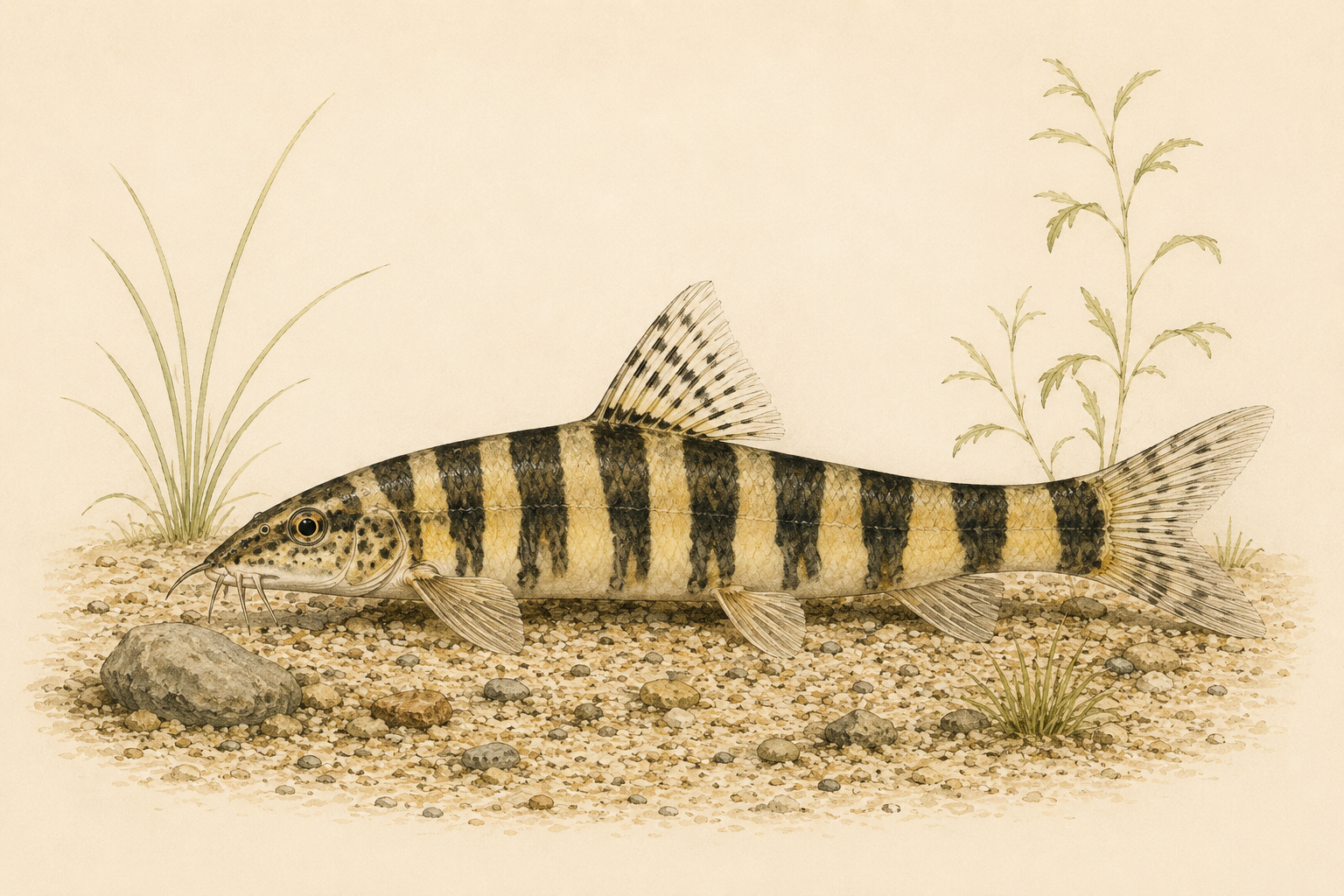
The Kansu Loach is a handsome fish with a robust, somewhat laterally compressed body that is more elongated than the stocky build of a clown loach but distinctly deeper-bodied than many other Sinibotia species. The base colouration is a warm golden-yellow to pale ochre, overlaid with a series of dark brown to near-black vertical bars that extend from the dorsal ridge down towards the ventral surface. These bars can vary in number and width between individuals, and they sometimes fork or become irregular toward the lower flanks, giving each fish a subtly unique pattern. In healthy, well-kept specimens the contrast between the golden base and the dark bands can be quite vivid, making the species genuinely eye-catching.
The head is slightly pointed with a subterminal, downward-facing mouth flanked by three pairs of short barbels, which the fish uses to probe the substrate for food. Like all members of the Botiidae, the Kansu Loach possesses an erectile suborbital spine located beneath each eye. This spine is normally folded flat but can be rapidly extended when the fish feels threatened. Keepers should be aware of this adaptation when netting the fish, as the spine can become entangled in fine mesh and cause injury to both the loach and the handler. The eyes are relatively small and positioned high on the head, and the fins are generally transparent to pale amber with faint dark markings at the base of the caudal fin.
Juveniles tend to display higher contrast and brighter colouration than adults, and the bars may shift, merge, or fade somewhat as the fish matures. Sexual dimorphism is minimal, though mature females are often slightly plumper when viewed from above, particularly when carrying eggs. Males may develop a subtly more pronounced snout, but reliable external sexing is extremely difficult outside of breeding condition.
Natural Habitat
In the wild, Sinibotia robusta inhabits the middle and upper reaches of the Yangtze River drainage system, including tributaries that flow through the provinces of Gansu (historically romanised as Kansu, hence the common name), Sichuan, Hubei, and Guizhou. These waterways are typically moderate to fast-flowing rivers and streams with substrates composed of gravel, cobbles, and boulders, interspersed with stretches of sand. The water is generally clear and well-oxygenated, with seasonal temperature fluctuations that can see conditions range from relatively cool in winter to warm in summer.
The species is most commonly found in areas where the riverbed offers abundant shelter in the form of rock crevices, undercut banks, and accumulations of submerged woody debris. These microhabitats provide protection from strong currents and predators, and they serve as territories where small groups of loaches gather. The riparian vegetation along the banks of their native rivers can be dense, though the loaches themselves tend to be associated more with hard structural cover than with aquatic plants. Understanding this natural environment is key to replicating suitable conditions in the aquarium.
It is worth noting that the Yangtze basin has been subject to significant anthropogenic pressure, including dam construction, pollution, and overfishing. While Sinibotia robusta has not been formally assessed by the IUCN, several species within the genus and from the same drainage face conservation concerns. Most specimens available in the aquarium trade are wild-caught, which underscores the importance of responsible sourcing and providing optimal captive care to reduce demand for replacements.
Tank Size and Setup
A group of Kansu Loaches requires a tank with a minimum capacity of 200 litres, though 300 litres or more is strongly recommended for a group of five or six adults. These are active fish that appreciate a generous footprint, so longer, wider tanks are preferable to tall, narrow designs. A tank measuring at least 120 cm in length provides the swimming space and territorial flexibility that a group needs to coexist comfortably.
The substrate should ideally consist of smooth, fine-to-medium gravel or sand, or a mixture of both. Avoid sharp or angular substrates, as the Kansu Loach frequently burrows its snout into the substrate while foraging, and rough materials can abrade its delicate barbels. A layer of rounded river pebbles placed over a sandy base creates a naturalistic appearance and provides additional foraging opportunities.
Décor should prioritise structural complexity. Stacks of smooth river rocks, pieces of bogwood, and purpose-made ceramic caves all serve as essential hiding places. Each loach will establish a preferred resting spot, and providing more shelters than there are fish in the group helps to diffuse territorial disputes. PVC pipe sections can be used as functional hides if aesthetics are not a primary concern, though natural materials are generally preferred for display aquaria. Arrange the hardscape to create multiple lines of sight and break up the tank into loosely defined zones, which reduces the likelihood of persistent chasing between dominant and subordinate individuals.
Live plants are not strictly necessary but can enhance the environment. Hardy species such as Java fern, Anubias, and Vallisneria are good choices because they tolerate the moderate current these loaches prefer and are not generally uprooted by the fish. Floating plants can be used to diffuse overhead lighting, which the loaches appreciate given their crepuscular tendencies. A tightly fitting lid is essential, as Kansu Loaches can and do jump, particularly when newly introduced to a tank or when startled.
Water Parameters
| Temperature | 18–25 °C |
| pH | 6.5–7.8 |
| General hardness (GH) | 4–15 dGH |
| Carbonate hardness (KH) | 3–10 dKH |
| Ammonia | 0 ppm |
| Nitrite | 0 ppm |
| Nitrate | Below 20 ppm |
The Kansu Loach is adaptable to a reasonably broad range of water chemistry, but it is notably sensitive to deteriorating water quality. Ammonia and nitrite must be maintained at zero at all times, and nitrate levels should be kept as low as practicable through regular partial water changes. Weekly changes of 25–30% are a sensible baseline, though heavily stocked tanks may require more frequent maintenance.
Temperature-wise, this species does not require tropical heat and in fact does better at the cooler end of the commonly maintained range. Sustained temperatures above 26 °C can cause stress, reduce dissolved oxygen levels, and increase susceptibility to disease. Many experienced keepers maintain their Kansu Loaches at around 20–22 °C, which closely mirrors conditions in their native rivers for much of the year. A slight seasonal temperature drop during the cooler months can be beneficial and may even be necessary if breeding is ever to be attempted.
Stability is more important than hitting a precise number. Sudden swings in temperature or pH are far more harmful than a reading that sits slightly outside the ideal range. When performing water changes, match the temperature and chemistry of the replacement water as closely as possible to what is already in the tank.
Filtration and Equipment
Given the Kansu Loach’s origins in well-oxygenated, flowing waterways, strong and efficient filtration is non-negotiable. An external canister filter rated for at least 1.5 times the tank’s volume per hour is a sound starting point. Many keepers opt for even higher turnover rates, particularly in larger setups, and supplementary powerheads or wavemakers can be used to create directional current that the loaches will actively swim into. The flow need not be uniform throughout the tank; areas of calmer water behind rocks and driftwood allow the fish to rest as they would in natural eddy zones.
Biological filtration should be the backbone of the system. Generous quantities of high-quality biological media such as sintered glass, ceramic rings, or bio-balls ensure robust nitrification. Mechanical pre-filtration with coarse and fine sponges protects the biological media from premature clogging, and regular rinsing of mechanical media in tank water helps maintain flow rates without disrupting the beneficial bacterial colony.
An air stone or venturi attachment can be used to supplement oxygen levels, particularly during warmer months when dissolved oxygen naturally decreases. A reliable heater with a thermostat is advisable even if the target temperature is relatively cool, because it prevents dangerous overnight drops in unheated rooms during winter. A heater guard is recommended to prevent burns, as loaches frequently rest against equipment. Standard aquarium lighting on a timer providing eight to ten hours of illumination per day is adequate; the loaches will be most active during the dimmer periods at either end of the photoperiod.
Diet and Feeding
The Kansu Loach is an omnivore with a strong inclination towards meaty foods, though it also grazes on biofilm and will accept a variety of prepared diets. In the wild, its diet consists largely of benthic invertebrates, insect larvae, small crustaceans, and organic detritus found among the substrate and rocky cover. Replicating this dietary breadth in captivity is straightforward and important for long-term health.
A high-quality sinking pellet or wafer formulated for bottom-dwelling fish should form the staple diet. Supplement this regularly with frozen or live foods such as bloodworm, daphnia, brine shrimp, tubifex, and chopped earthworms. These protein-rich foods promote condition, colour, and natural foraging behaviour. Blanched vegetables such as courgette, cucumber, spinach, and shelled peas provide dietary fibre and variety, and most Kansu Loaches accept them readily once they recognise them as food.
Feeding is best carried out in the late afternoon or evening, coinciding with the fish’s natural peak activity period. Offering food at this time encourages the loaches to emerge from their hiding spots and allows the keeper to observe them properly. Take care not to overfeed; loaches are enthusiastic eaters and will gorge themselves if given the opportunity, which can lead to obesity and associated health problems. Two moderate feedings per day, with all food consumed within a few minutes, is a sensible regime. Remove any uneaten food promptly to prevent it from fouling the water.
The Kansu Loach is also an effective consumer of small pest snails. While this should not be relied upon as a primary food source, it is a welcome side benefit in tanks where snail populations have become problematic. The loach uses its strong pharyngeal teeth to crush snail shells and extract the soft tissue within.
Behaviour and Temperament
The Kansu Loach is a gregarious species that should always be kept in groups of at least five individuals, though six or more is preferable. Solitary specimens or pairs tend to become reclusive, stressed, and occasionally aggressive towards other bottom-dwelling fish. In a properly sized group, the fish establish a social hierarchy through a combination of chasing, posturing, and the characteristic “loach dance” — a vigorous, intertwined swimming behaviour that can appear alarming to the uninitiated but is entirely normal social interaction.
Within the group, a dominant individual typically emerges, and subordinate fish may display faded colouration when directly challenged. Providing ample hiding spots ensures that lower-ranking individuals can retreat and recover without sustained harassment. The audible clicking sounds that many botiid loaches produce are sometimes heard from Kansu Loaches during these social exchanges, generated by the grinding of pharyngeal teeth or the movement of the suborbital spine.
Like many loaches, Sinibotia robusta is primarily crepuscular, meaning it is most active during dawn and dusk. During the day, the fish will often wedge themselves into tight crevices, rest on their sides or upside down in caves, or lie motionless on the substrate. This “playing dead” behaviour is perfectly normal and does not indicate illness. As the lights dim, the loaches emerge to forage across the substrate, explore the décor, and interact with one another. Over time, well-settled specimens become increasingly bold and may even learn to recognise their keeper, approaching the front glass at feeding time.
The Kansu Loach is not generally aggressive towards other species, but it can be boisterous. Its energetic swimming style and inquisitive nature may unsettle very timid or slow-moving tank mates. It is also worth noting that the suborbital spine, while primarily a defensive adaptation, can inflict minor injuries during disputes within the group or when the fish is handled carelessly.
Tank Mates
Good tank mates
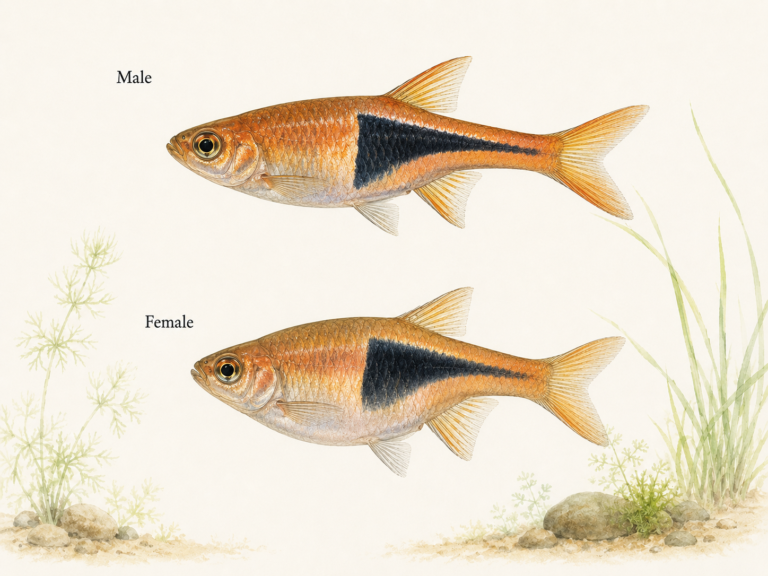
- White Cloud Mountain Minnow — a peaceful, cool-water species that occupies the upper water column and overlaps well with the Kansu Loach’s temperature requirements.
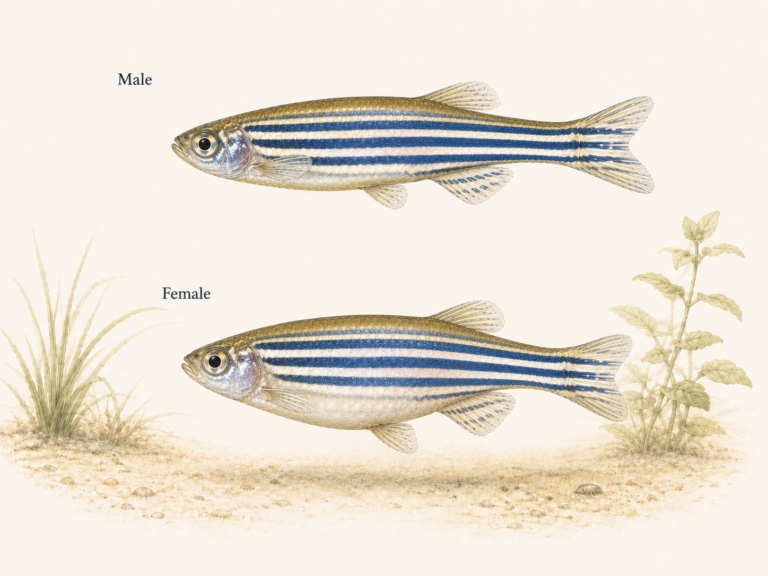
- Zebra Danio — a hardy, active schooling fish that thrives in the same moderate current and cooler temperatures.
- Rosy Barb — a robust and colourful subtropical barb that is active enough to hold its own without causing aggression.
- Bristlenose Pleco — a peaceful algae-eating catfish that occupies different hiding spots and is unlikely to compete directly with the loaches.
- Peppered Corydoras — a cool-water-tolerant corydoras that shares the bottom zone peacefully, provided the tank has sufficient floor space.
- Odessa Barb — an attractively coloured mid-water species that appreciates similar water conditions and moderate flow.
- Paradise Fish — a hardy subtropical species that inhabits upper water levels and tolerates the same temperature range.
- Hillstream Loach — another rheophilic species that thrives in well-oxygenated water with current, making it a natural companion.
Fish to avoid
- Discus — requires very warm, soft, acidic water and an extremely calm environment, which is incompatible with the Kansu Loach’s needs.
- Siamese Fighting Fish — too slow and fragile for a tank with boisterous loaches, and prefers warmer, still water.
- Celestial Pearl Danio — a tiny, shy fish that would be outcompeted for food and stressed by the loaches’ activity levels.
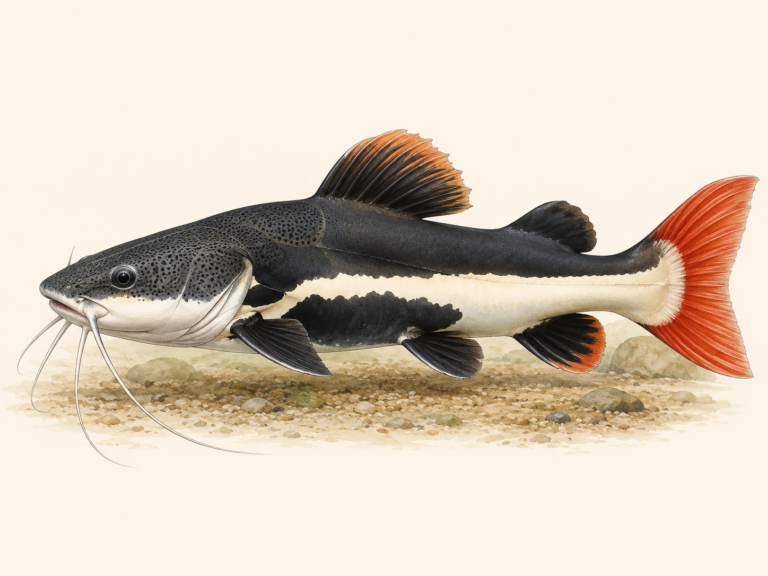
- Red Tail Catfish — a massive predatory catfish that will eventually consume any fish small enough to fit in its mouth.
- Oscar — a large, aggressive cichlid that requires warm water and would bully or eat the loaches.
- Guppy — too small and slow-finned to coexist comfortably with active loaches in a moderate-flow environment.
- African Cichlid — requires hard, alkaline water and tends to be highly territorial, creating a hostile environment for loaches.
- Common Pleco — grows far too large for most community setups and produces excessive waste that degrades water quality.
Breeding
Breeding the Kansu Loach in captivity is extremely challenging and has very rarely been achieved in home aquaria. Like many botiid loaches, Sinibotia robusta is believed to be a seasonal migratory spawner in the wild, moving upstream into smaller tributaries to breed during periods of rising water levels and increased flow associated with the monsoon season. Replicating these environmental triggers in a closed aquarium system is profoundly difficult.
The handful of reported captive spawnings have generally involved large, well-established groups maintained in spacious tanks with high water quality. Conditioning is thought to require a period of cooler temperatures (around 16–18 °C) followed by a gradual increase to 22–24 °C, accompanied by increased feeding of live and frozen foods. Simulating the onset of the rainy season through large, slightly cooler water changes and increased flow may also serve as spawning triggers, though success remains anecdotal at best.
Females in breeding condition become noticeably plumper, and males may exhibit heightened social activity and intensified colouration. Spawning, when it does occur, is thought to involve the scattering of small, adhesive eggs among rocks and gravel. Parental care is absent, and the adults will readily consume eggs if given the opportunity. If eggs are discovered, they should be carefully removed to a separate rearing tank with gentle aeration and matching water parameters. Hatching typically occurs within 24–48 hours at appropriate temperatures, and the fry are initially very small, requiring infusoria or commercially available liquid fry food before graduating to microworms and newly hatched brine shrimp.
Given the extreme difficulty of breeding this species, most aquarists should focus on providing the best possible care for their existing group rather than pursuing reproduction. The commercial supply remains almost entirely dependent on wild collection, though captive breeding programmes at dedicated facilities in East Asia have shown some promise in recent years.
Common Diseases
The Kansu Loach is a fairly hardy species when maintained in appropriate conditions, but like all loaches it can be susceptible to certain ailments, particularly when water quality deteriorates or the fish is subjected to stress.
Ich (white spot disease) is one of the most common afflictions and is easily recognised by the characteristic white cysts that appear on the body and fins. Loaches are notoriously sensitive to many conventional ich treatments, particularly those containing copper or malachite green at full strength. Half-dose treatments or heat-based protocols (gradually raising the temperature to 28–30 °C for a short period, though this is above the species’ preferred range and must be done cautiously) are often safer. Always consult loach-specific treatment guides before medicating.
Skinny disease, caused by internal parasites or bacterial infections, can affect wild-caught specimens that arrive in poor condition. Afflicted fish eat normally but fail to gain weight and gradually waste away. Targeted antiparasitic treatments containing praziquantel or levamisole are often effective when administered promptly.
Bacterial infections, including fin rot and skin ulcers, typically arise secondary to poor water quality, physical injuries, or stress. Maintaining pristine water conditions and providing a stress-free environment are the best preventatives. If infections do develop, broad-spectrum antibacterial treatments formulated for scaleless fish should be used with care, as loaches lack the protective scaling of many other aquarium species and can absorb medications more readily.
Oxygen deprivation is a risk in under-filtered or overheated tanks, manifesting as gasping at the surface, lethargy, and loss of appetite. Ensuring adequate oxygenation through proper filtration, aeration, and temperature management prevents this issue entirely. Regular observation of the fish is the best diagnostic tool; changes in colour, appetite, activity level, or body condition should prompt an immediate review of water parameters and husbandry practices.
FAQs
How many Kansu Loaches should I keep together?
A minimum group of five is recommended, with six or more being ideal. These are social fish that rely on group dynamics to feel secure and express natural behaviours. Keeping fewer than five often results in excessive shyness, stress-related illness, or redirected aggression towards other bottom-dwelling species. In a suitably sized tank, a larger group produces a more interesting and harmonious display.
Why does my Kansu Loach lie on its side?
This is completely normal behaviour for botiid loaches and is not a sign of illness. Kansu Loaches frequently rest on their sides, wedge themselves upside down in caves, or adopt unusual postures when relaxed. This behaviour often alarms new keepers, but as long as the fish responds normally when disturbed, feeds well, and shows no other signs of disease, there is no cause for concern.
Can Kansu Loaches be kept in a tropical community tank?
They can, provided the temperature is kept at the lower end of the tropical range, ideally no higher than 25 °C. They are not well suited to tanks maintained at 28 °C or above, as sustained warmth reduces dissolved oxygen and increases metabolic stress. The best companions are species that share a preference for moderate temperatures and appreciate some water movement.
Do Kansu Loaches eat plants?
Generally, no. While they may occasionally nibble on soft-leaved plants, they are not dedicated herbivores and do not cause significant damage to established plantings. Hardy species such as Java fern, Anubias, and Vallisneria are particularly safe choices. Providing adequate vegetable matter in the diet reduces any inclination to graze on live plants.
Are Kansu Loaches sensitive to medication?
Yes, like all loaches they are more sensitive to many common aquarium medications than fully scaled fish. Treatments containing copper, malachite green, and formalin should be used at reduced dosages or avoided altogether. Always seek out loach-safe treatment options and consult specialist resources before adding any medication to a tank containing these fish. Prevention through excellent water quality and quarantine procedures is always preferable to cure.
Related Guides
- Clown Loach Care Guide — a comprehensive guide to the most popular botiid loach, covering many similar care principles applicable to the Kansu Loach.
- Yoyo Loach Care Guide — another botiid species with comparable temperament and requirements, useful for understanding general loach husbandry.
- Hillstream Loach Care Guide — an excellent resource for keepers interested in creating a high-flow, cool-water biotope suitable for rheophilic species.
- Zebra Loach Care Guide — covers a similarly patterned botiid loach with overlapping care requirements and compatible temperament.
- Bristlenose Pleco Care Guide — a widely recommended bottom-dwelling companion species, with detailed setup and feeding advice relevant to mixed community tanks.